

Option A
Annual Preventive Wellness Visits
The proactive, scheduled approach to lifelong pet health.
Best for: Pet owners who want to catch developing conditions early and maintain a consistent health baseline for their pet.
Option B
As-Needed Sick or Reactive Appointments
The responsive, symptom-driven visit when something seems wrong.
Best for: Addressing acute illness, injury, or sudden behavioral changes that require immediate veterinary attention.
What Each Type of Visit Actually Covers
The distinction between a preventive wellness exam and an as-needed sick visit is more than scheduling - each serves a fundamentally different clinical purpose.
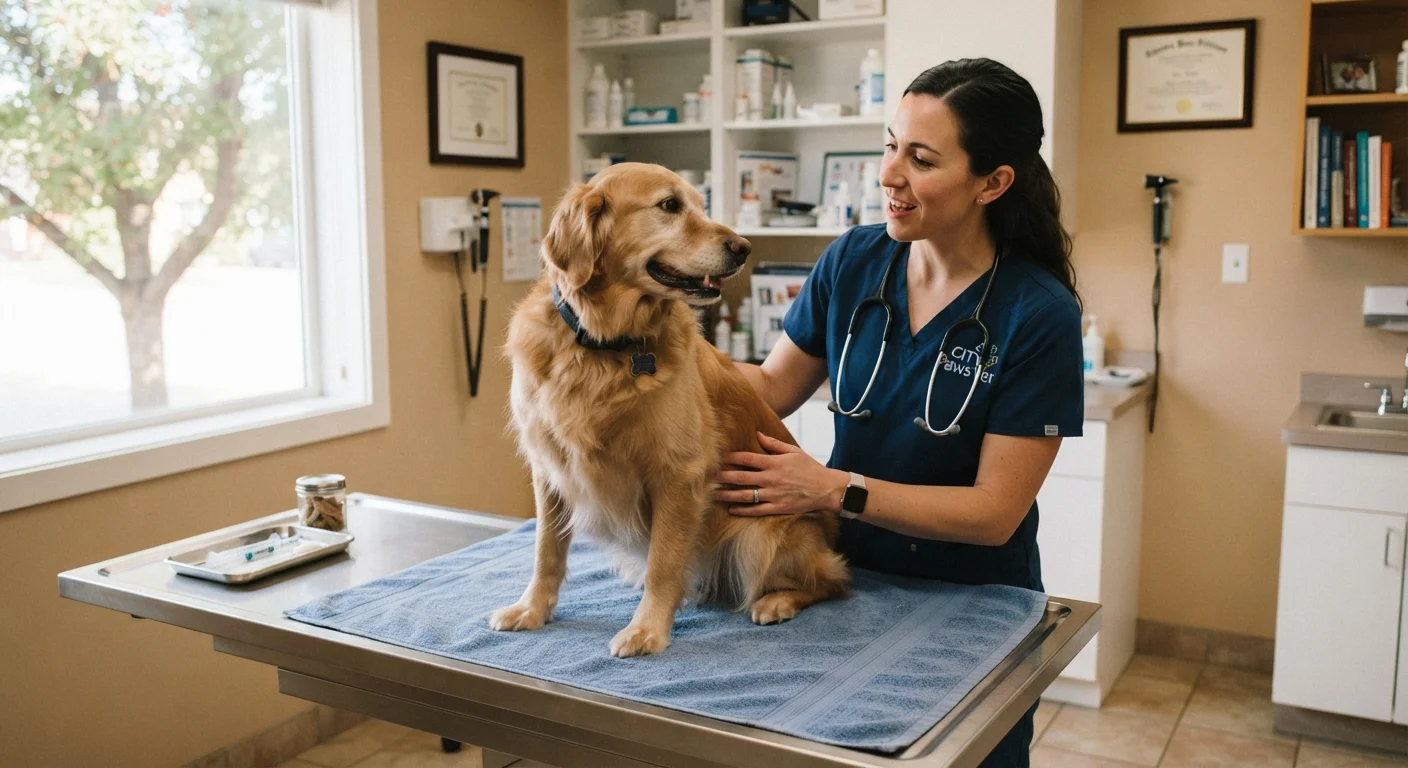
A routine annual wellness visit is a comprehensive head-to-tail physical examination performed on a pet that appears healthy. The veterinarian checks weight, body condition score, dental health, heart and lung sounds, lymph nodes, skin, eyes, and ears. Depending on age and risk factors, the visit typically includes parasite screening, heartworm testing, vaccination updates, and baseline bloodwork or urinalysis. The goal is establishing - and updating - a health baseline so that gradual changes don't go unnoticed.
An as-needed appointment, by contrast, is initiated by a specific concern: vomiting, lameness, a lump, changes in drinking or urination, or behavioral shifts. The veterinarian focuses diagnostics on the presenting problem. These visits are essential, but they are reactive by nature - the problem has already emerged before care begins.
For new pet owners building a health foundation, the core health habits that set pets up for a long life start with understanding how these visit types work together rather than treating them as interchangeable.
| Criterion | Annual Preventive Wellness Visits | As-Needed Sick or Reactive Appointments |
|---|---|---|
| Primary purpose | Establish baseline, detect early disease | Diagnose and treat active symptoms |
| Initiated by | Scheduled calendar interval | Owner observation of a problem |
| Typical scope | Full physical, labs, vaccines, parasite screening | Focused exam on presenting concern |
| Detects silent conditions | Yes - often before symptoms appear | Only if related to the presenting issue |
| Frequency | Annually; more often for seniors or high-risk breeds | As symptoms arise - no set schedule |
| Long-term health impact | Builds cumulative health record over time | Addresses immediate problem; limited baseline value |
| Cost profile | Predictable; may reduce costly emergencies | Variable; can escalate if condition is advanced |
The Case for Preventive Care: What Routine Exams Catch
The most compelling argument for annual wellness exams is that many serious pet health conditions develop without obvious symptoms until they are significantly advanced.
Dental disease affects an estimated 80% of dogs and 70% of cats by age three, according to veterinary dental guidelines - yet most pets show no clear discomfort until the disease is severe. Chronic kidney disease in cats typically goes undetected until more than two-thirds of kidney function is lost, because the body compensates quietly for a long time. Obesity, which contributes to diabetes, joint problems, and reduced lifespan, often creeps up gradually between visits.
Routine bloodwork can flag early kidney or liver changes. Fecal testing identifies intestinal parasites before they cause visible illness. Weight tracking across multiple visits reveals trends that a single observation would miss. Vaccinations, reviewed annually, protect against preventable diseases - see what pet vaccination schedules actually involve for a deeper breakdown.
~80%
Dogs with dental disease by age 3
Veterinary dental guidelines estimate the majority of dogs show signs of periodontal disease by their third year, often without visible discomfort.
67%+
Kidney function lost before CKD symptoms in cats
Chronic kidney disease in cats is typically undetectable through outward signs until the majority of kidney function has already declined, underscoring the value of bloodwork screening.
56%
U.S. pets classified as overweight or obese
The Association for Pet Obesity Prevention has consistently found a majority of American cats and dogs carry excess weight, a condition most effectively caught through routine weigh-ins.
Early detection matters not only for outcomes but also for cost. Treating early-stage conditions is almost always less involved - and less expensive - than managing an advanced disease.
How Often Should Your Pet Actually See a Vet?
The traditional "once a year" rule is a reasonable starting point, but veterinarians increasingly tailor visit frequency to individual animals. Key factors include:
- Life stage: Puppies and kittens typically need several visits in their first year for vaccines, parasite prevention, and early development checks. Adults may be well-served by annual exams. Senior pets (generally dogs and cats aged seven and older) often benefit from biannual exams, because a year represents a proportionally longer span of physiologic change in older animals.
- Species: Exotic pets - rabbits, birds, reptiles - have specialized needs and may require more frequent specialist evaluations.
- Breed and genetic risk: Certain breeds carry elevated risks for specific conditions (cardiac issues in Cavaliers, hip dysplasia in large breeds, brachycephalic airway problems in flat-faced cats and dogs), and veterinarians may recommend earlier or more frequent screening.
- Chronic conditions: Pets managing diabetes, Cushing's disease, or allergies typically need monitoring visits between routine wellness exams.
The right schedule is a conversation between you and your veterinarian - not a universal rule. Before a new pet even arrives home, it helps to think through this framework; our health and safety checklist covers vet scheduling as part of broader preparation.
Senior Pets May Need More Frequent Visits
Many veterinary guidelines suggest moving to twice-yearly wellness exams for dogs and cats once they reach their senior years - typically around age seven for most breeds, though this varies. Physiologic changes accelerate with age, meaning conditions like hyperthyroidism, arthritis, or cardiac changes can develop meaningfully between annual visits. If your pet is entering this life stage, ask your veterinarian whether an adjusted schedule makes sense.
Using Both Approaches Wisely
Annual wellness exams and as-needed visits are not competing choices - they are complementary layers of care. Skipping routine checkups because a pet seems fine is one of the most common patterns veterinarians see that delays diagnosis. Equally, relying on annual exams alone and waiting to address emerging symptoms can turn manageable problems into emergencies.
Some owner habits that seem caring actually undermine this balance. Over-monitoring minor symptoms without veterinary guidance, or conversely, normalizing changes like gradual weight loss or reduced activity as "just aging," can both delay appropriate care. The well-intentioned habits that can quietly harm pets are worth reviewing alongside any care plan.
If cost is a genuine barrier to routine care, that's a real consideration worth planning for - weighing pet insurance against a dedicated savings fund can help clarify the options. Preventive care is most powerful when it's consistent, and building a financial plan around it makes consistency more achievable.
This article provides general pet health information for educational purposes only and is not a substitute for professional veterinary advice. Always consult a licensed veterinarian for guidance specific to your pet's health needs.
The content provided on our blog site traverses numerous categories, offering readers valuable and practical information. Readers can use the editorial team’s research and data to gain more insights into their topics of interest. However, they are requested not to treat the articles as conclusive. The website team cannot be held responsible for differences in data or inaccuracies found across other platforms. Please also note that the site might also miss out on various schemes and offers available that the readers may find more beneficial than the ones we cover.