

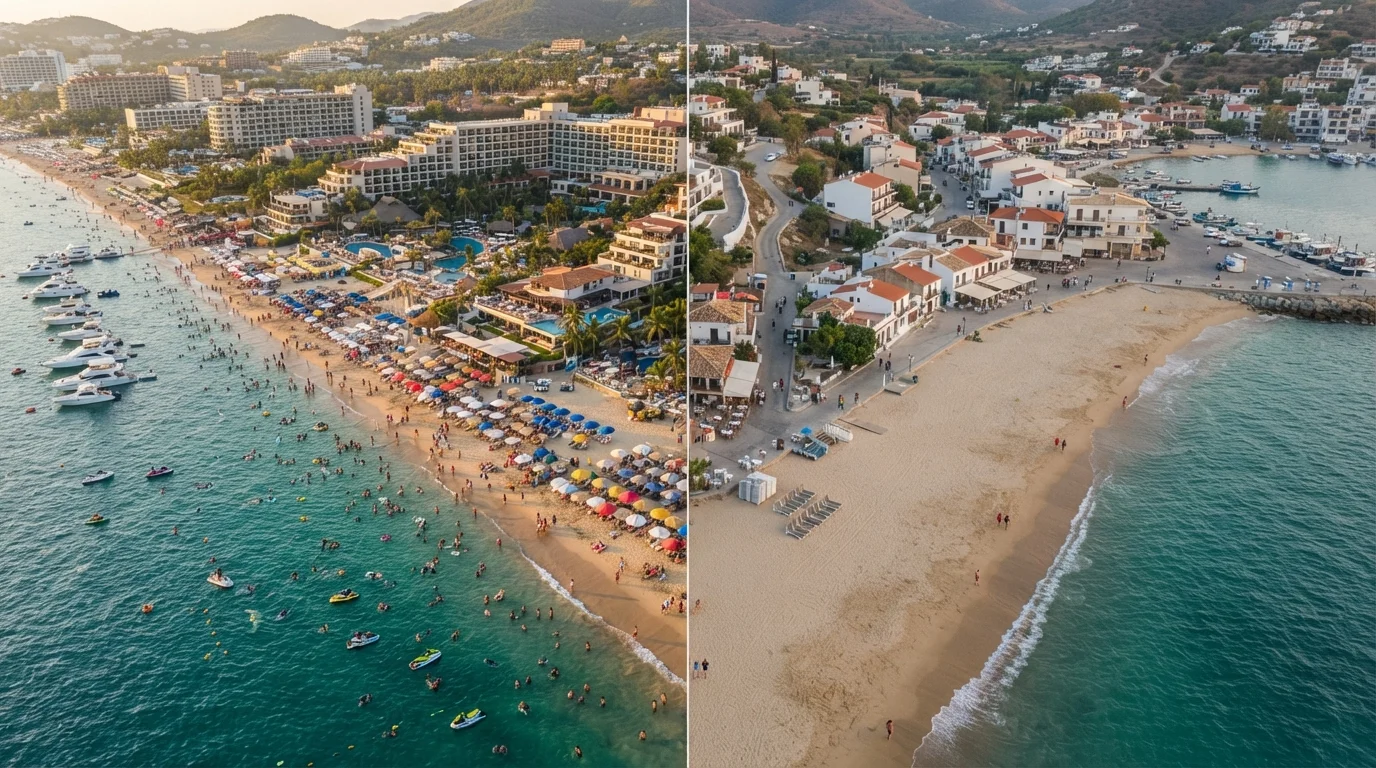
Why 'Travel Season' Isn't One-Size-Fits-All
When someone says a place is "in season," they're describing a relationship between a specific destination and a specific window of time - not a global rule. The concept of travel season is driven by local factors: weather patterns, school holiday schedules, cultural events, and the type of traveler a destination attracts. That's why July can be peak season in Paris but the middle of monsoon rains in Bangkok, or why December is crawling with visitors in Cancún but largely quiet in Iceland.
Understanding this distinction matters because it shapes nearly every cost and logistics decision you'll make. Flights, hotels, tour availability, and even restaurant hours all respond to seasonal demand. If you're reading a destination's "high season" label without knowing what's actually driving it, you're working with incomplete information.
For a grounding in the terminology used across the travel industry, the Travel Cost Glossary covers key concepts that connect directly to how seasonality affects what you pay.
The Three Tiers of Seasonality - and What Each Actually Signals
Most destinations operate on a three-tier model:
- Peak season is the window of highest visitor demand. Weather is typically ideal, or a major event draws visitors. Prices are highest, and popular sites are most crowded. Booking well in advance is often necessary.
- Off-season (sometimes called low season) is the opposite: fewer visitors, lower prices, and reduced services. Weather may be unpleasant, or travel infrastructure may slow down. Some destinations effectively close to tourism during this window.
- Shoulder season sits between the two. Crowds and prices are moderate, and the experience is often more balanced. For many travelers, shoulder season represents the most practical trade-off.
These tiers are not evenly spaced across a calendar year. Some destinations have a long peak season and a brief shoulder window; others invert this. Coastal beach destinations in the U.S. often have a sharp three-month peak followed by an extended quiet period. Alpine ski resorts have two distinct peaks - winter for skiing, summer for hiking - with genuine off-seasons between them.
3-5x
Hotel price variance between peak and off-season
Industry analyses of resort destinations commonly document rate multipliers of three to five times between low and high season, particularly for beach and ski markets.
2-3 months
Typical shoulder season window length
Most destinations have identifiable shoulder windows of roughly two to three months on either side of their primary peak period, though this varies considerably by location.
For a deeper look at why the shoulder window tends to reward flexible travelers, see Shoulder Season: The Overlooked Window That Changes How Much You Pay.
What Actually Drives a Destination's Season
Four forces determine when a destination is "in season":
- Climate is the most straightforward driver. Tropical destinations have wet and dry seasons that directly dictate demand. Temperate destinations see peaks aligned with warm months. Polar regions attract visitors during narrow windows of daylight and navigable conditions.
- School and work calendars in major source markets create predictable surges. U.S. summer break, spring break, and winter holidays reliably spike demand for family-friendly destinations regardless of local weather.
- Local and regional events - festivals, sporting events, national holidays - can create micro-peaks within an otherwise quiet period. Carnival in Rio, Oktoberfest in Munich, or cherry blossom season in Japan each generate concentrated demand spikes.
- Traveler profile matters too. A destination popular with retirees or remote workers may see more distributed demand year-round, blurring the typical seasonal tiers.
Aligning your travel dates with this understanding - rather than picking dates first and researching second - is one of the most practical steps in stretching a travel budget.
Using Seasonality to Make Better Planning Decisions
Treating travel season as a planning input rather than background noise changes how you approach a trip. A few practical applications:
- Verify conditions, not just prices. Off-season fares look attractive, but check what that actually means on the ground - reduced transit, closed national parks, or persistent rain may not be worth the savings for every traveler.
- Look up local event calendars. A quiet shoulder-season week can turn into a packed, expensive one if a major regional festival falls during your stay. Most tourism boards publish annual event schedules.
- Factor in booking timing. Peak season often requires earlier commitments. The relationship between when you book and what you pay is explored in detail in Booking Too Early, Too Late, and Everything In Between.
- Check official travel advisories. For international destinations, seasonality sometimes coincides with weather events like hurricane season or monsoon flooding. Verify current conditions and safety information with government travel advisories before finalizing plans.
Check the Source, Not Just the Label
Before assuming a destination's "off-season" means smooth, inexpensive travel, look up what specifically defines that window. A quick review of the destination's official tourism board site or government travel advisory will tell you whether "low season" means gentle rain, full closures, or genuine weather risk. That context changes the calculus entirely.
Seasonality is a framework, not a guarantee. Conditions vary year to year, and the most reliable information will always come from official sources and recent traveler reports rather than fixed seasonal labels alone.
Frequently Asked Questions
Peak season is when the largest number of visitors travel to a destination, driven by favorable weather, school breaks, or major holidays. During peak season, prices for flights and accommodation are typically higher and availability is tighter. It varies by destination - summer is peak in many European cities but the wet season in parts of Southeast Asia.
Off-season travel is generally less expensive, but the trade-offs are real. Some attractions, restaurants, or transport links may operate on reduced schedules or close entirely. Weather conditions can also be less favorable. Whether the savings justify those trade-offs depends on your destination and what you plan to do there.
Check official tourism board websites for your destination, which typically publish climate guides and event calendars. Travel guidebooks and country-specific travel advisories also document seasonal patterns. Cross-referencing a few sources will give you a reliable picture of what to expect.
Travel season itself does not change visa or entry rules. However, border crossing wait times and appointment availability at embassies can be longer during peak periods. Always verify current entry requirements directly with the relevant government or embassy before you travel, regardless of timing.
The terms are often used interchangeably, though some destinations distinguish between a broad 'high season' and a narrower 'peak' window within it. In practice, both signal elevated demand, prices, and crowds. Review specific destination guidance rather than relying on generic labels.
The content provided on our blog site traverses numerous categories, offering readers valuable and practical information. Readers can use the editorial team’s research and data to gain more insights into their topics of interest. However, they are requested not to treat the articles as conclusive. The website team cannot be held responsible for differences in data or inaccuracies found across other platforms. Please also note that the site might also miss out on various schemes and offers available that the readers may find more beneficial than the ones we cover.