

Why Engine Oil Can't Last Forever
Engine oil doesn't just sit in your engine doing nothing between changes. Every time you start the car, oil circulates through the engine at high speed, squeezed between pistons, crankshafts, camshafts, and dozens of other components moving against each other at thousands of revolutions per minute. That constant mechanical stress and heat exposure chemically alters the oil itself.
Fresh oil contains a carefully balanced package of additives - anti-wear agents, detergents that suspend combustion byproducts, and dispersants that keep particles from clumping. As the miles accumulate, those additives are consumed. The base oil oxidizes, thickens, and eventually becomes acidic. Contaminants - fuel blow-by, metal particles, moisture - build up in the fluid. What started as a clear amber lubricant becomes a dark, gritty soup that does more harm than good.
Understanding what each fluid in your car actually does puts this in perspective: oil isn't just one system - it's the lifeblood of every moving part in your engine simultaneously.
Oil Looks Fine - Does That Mean It Is?
Darkened oil color alone doesn't indicate oil that has failed - modern detergent oils are designed to suspend combustion byproducts, which causes darkening quickly and is actually a sign the oil is doing its job. Color is not a reliable indicator of remaining oil life. Mileage, time since last change, and your vehicle's oil life monitor are far more reliable guides.
The Real Mechanical Consequences of Skipping Changes
Missing one oil change by a modest margin is unlikely to destroy a healthy engine. The risk escalates significantly when intervals are skipped repeatedly or by large margins. Here's what's actually happening inside the engine during that time:
- Increased friction and wear: As oil loses viscosity, the protective film between metal surfaces thins. Components grind together more aggressively, accelerating wear on bearings, cylinder walls, and piston rings.
- Sludge formation: Oxidized oil mixed with combustion byproducts can polymerize into thick sludge. This gel-like material clogs narrow oil passages, starving parts like the valve train of lubrication entirely.
- Overheating: Oil transfers heat away from engine components. Degraded oil does this less efficiently, contributing to elevated operating temperatures and accelerating component fatigue.
- Catalytic converter contamination: Oil burning past worn piston rings - accelerated by oil neglect - can contaminate and damage the catalytic converter, an expensive emissions component.
These aren't theoretical risks. They're the mechanical chain of events that leads to the kind of engine damage - scored bearings, seized components, warped heads - that can cost thousands of dollars to repair. Skipping fluid maintenance is among the most consistent habits that turn routine upkeep into major repairs.
Check Your Oil Level Between Changes
Some engines consume a small amount of oil between changes, especially as they age. A brief dipstick check every 1,000 miles or so takes less than two minutes and can catch low oil levels before they cause damage. If your engine is regularly consuming noticeable amounts of oil, have a mechanic investigate the cause.
How to Know When Your Oil Actually Needs Changing
One of the most persistent maintenance misconceptions is that oil must be changed every 3,000 miles, regardless of vehicle type or oil grade. Several long-held oil change beliefs don't reflect how modern engines and oils actually work. Many current vehicles using full synthetic oil can safely go 7,500 to 10,000 miles - or more - between changes according to their manufacturer specifications.
The most reliable guide is your owner's manual, which lists the oil type, viscosity, and change interval specific to your engine. Many modern vehicles also include an oil life monitoring system - a dashboard indicator that uses algorithms tracking mileage, temperature cycles, and driving patterns to estimate when oil actually needs changing, rather than counting miles mechanically.
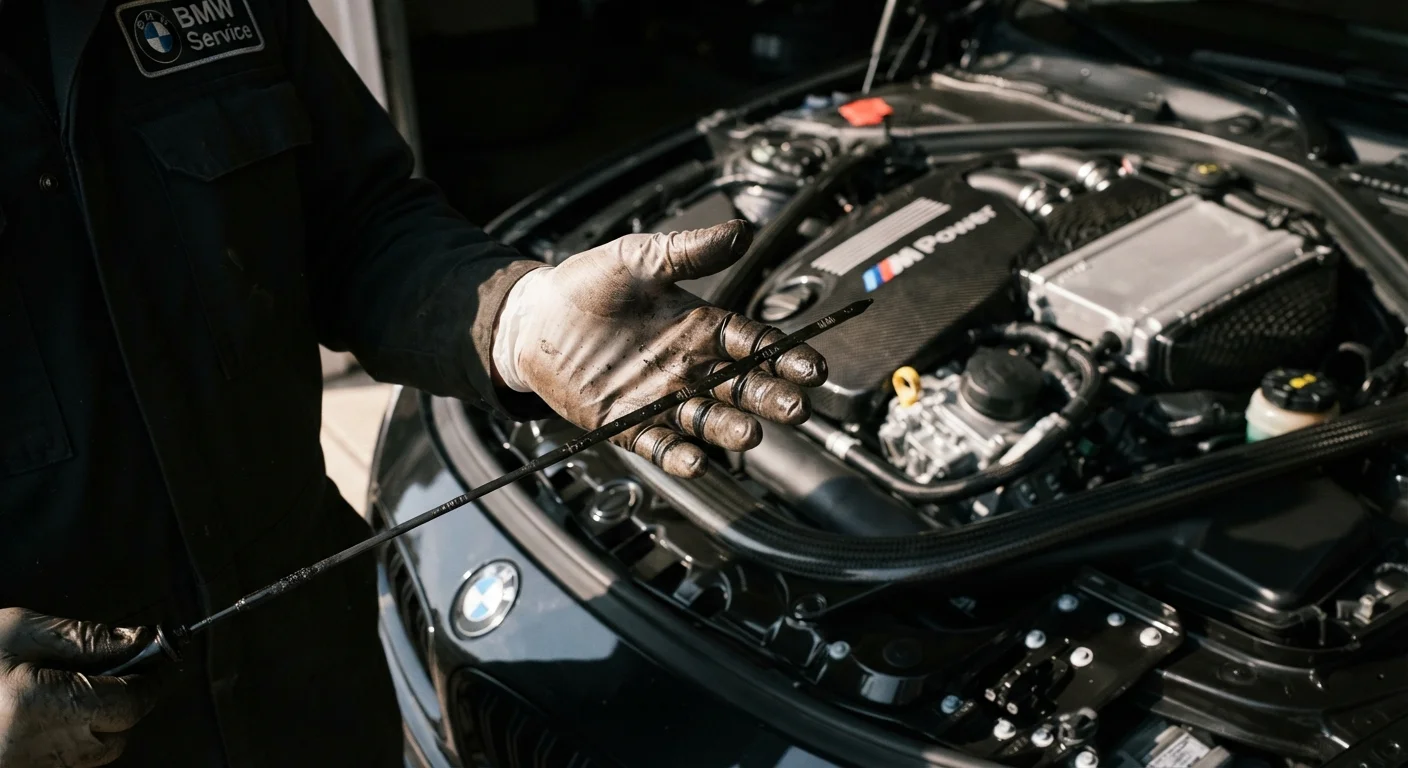
Check the oil level and condition yourself between changes using the dipstick. Healthy oil is amber and slightly translucent. Oil that is pitch black, gritty to the touch, or sitting well below the minimum mark warrants immediate attention - either a change or a trip to a mechanic to investigate why the oil is depleting or degrading faster than expected.
$25-$100
Typical cost of a routine oil change
Varies by oil type and vehicle; a fraction of the cost of engine repairs that oil neglect can cause.
5,000-10,000 mi
Common synthetic oil change interval
Many manufacturer-recommended intervals for vehicles using full synthetic oil, per owner's manual guidance.
$3,000+
Estimated cost of engine sludge repair
Severe sludge buildup requiring engine disassembly or replacement can cost several thousand dollars in labor and parts.
Protecting Your Engine Without Overcomplicating It
Staying on top of oil changes doesn't require mechanical expertise - it requires consistency. Keep a simple log of service dates and mileage, whether in a notebook in the glovebox or a notes app. When your oil life monitor alerts you, treat it seriously rather than delaying. If you drive under conditions classified as severe by most manufacturers - frequent short trips, stop-and-go commuting, towing, or dusty environments - your oil degrades faster, and shorter intervals may be warranted.
Engine damage from oil neglect is typically not covered under manufacturer warranties, and it's rarely covered under extended warranties either, because it's classified as a maintenance failure rather than a defect. Documenting your oil changes with dated receipts or a log is the best insurance if a warranty dispute ever arises.
The bottom line: oil changes are among the least expensive and most impactful forms of preventive maintenance available to any driver. The cost of a change is a fraction of the cost of an engine repair - or replacement.
Frequently Asked Questions
Going slightly over a recommended interval once is unlikely to cause immediate damage in a well-maintained, modern vehicle. However, oil degradation accelerates under stress, so it's worth getting the change done promptly rather than letting it extend further.
Common warning signs include a loud knocking or ticking sound from the engine, the oil pressure warning light illuminating, unusually dark or gritty oil on the dipstick, and reduced engine performance. If you notice any of these, have a qualified mechanic inspect the vehicle promptly.
For most modern vehicles using synthetic or synthetic-blend oil, the 3,000-mile rule is outdated. Many manufacturer-recommended intervals now fall between 5,000 and 10,000 miles or more. Always refer to your owner's manual for the interval specific to your vehicle.
Yes. If a manufacturer can demonstrate that engine damage resulted from a lapse in required maintenance - including oil changes - they may deny a warranty claim. Keeping dated service records is the most reliable protection.
Generally, yes. Full synthetic oils are engineered to resist thermal breakdown longer than conventional oils, which is why many vehicles using synthetic oil have extended change intervals. Your owner's manual will specify which oil type your engine requires.
The content provided on our blog site traverses numerous categories, offering readers valuable and practical information. Readers can use the editorial team’s research and data to gain more insights into their topics of interest. However, they are requested not to treat the articles as conclusive. The website team cannot be held responsible for differences in data or inaccuracies found across other platforms. Please also note that the site might also miss out on various schemes and offers available that the readers may find more beneficial than the ones we cover.