

Why Car Fluids Matter More Than Most Drivers Realize
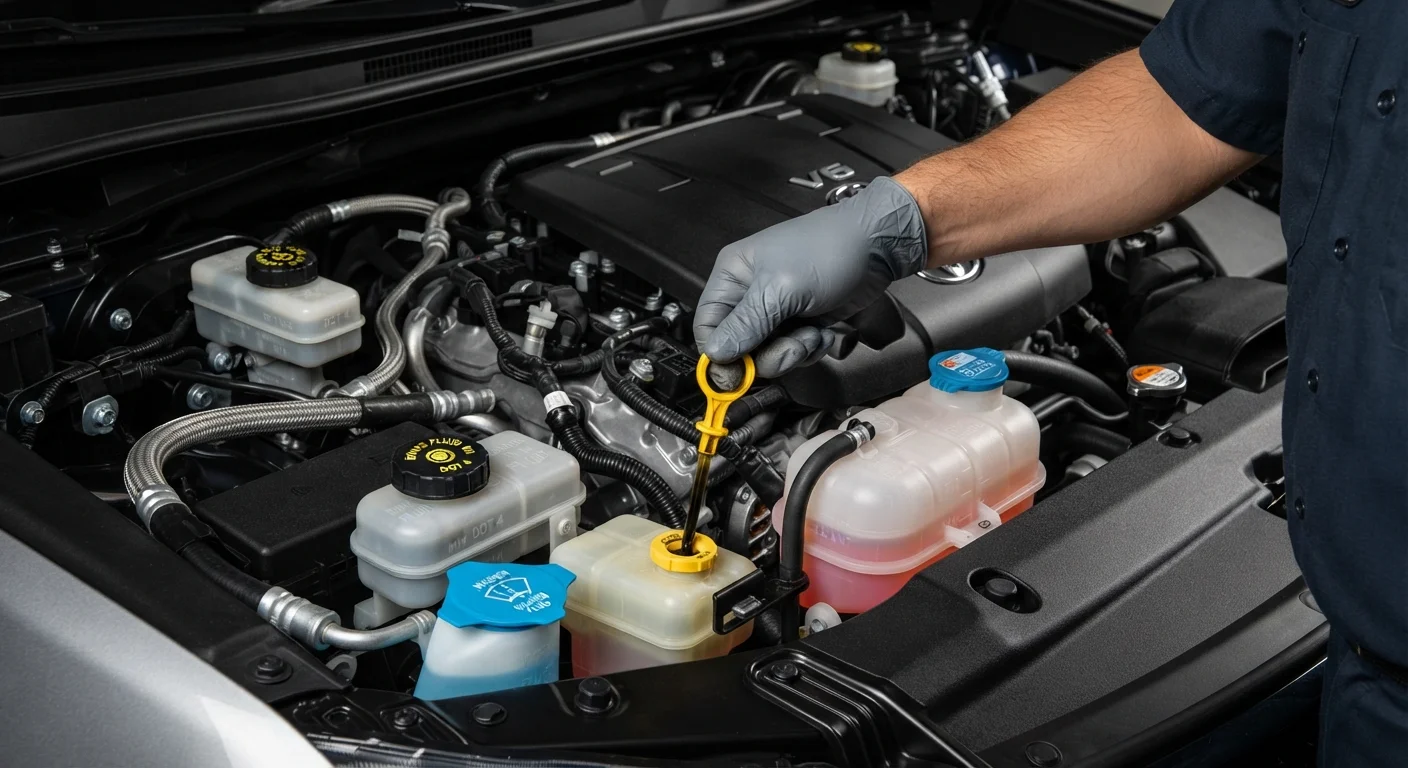
Your car relies on at least six distinct fluids to keep its systems running safely and efficiently. Each one serves a specific mechanical purpose - lubrication, cooling, pressure transfer, or temperature regulation - and when any one of them drops too low, the consequences can range from reduced performance to permanent component damage.
Most fluid problems don't announce themselves dramatically. They build quietly over miles and months, which is exactly why understanding what each fluid does - and what goes wrong without it - is such practical knowledge for any driver. This reference breaks down each major fluid, its role, and the warning signs of running low.
For a broader look at what keeping a vehicle healthy actually involves, see everything involved in keeping a car roadworthy.
| Number of essential fluids | Six (oil, coolant, brake, transmission, power steering, washer fluid) |
| Most critical to engine survival | Engine oil |
| Fluid that can cause brake failure | Brake fluid (when low or contaminated with air) |
| Overheating risk fluid | Coolant (antifreeze) |
| Vehicles without power steering fluid | Most newer models use electric power steering - no fluid reservoir |
| Recommended check frequency (oil) | Monthly or before long trips |
The Six Core Fluids and What Happens When They Run Low
Engine Oil - Oil lubricates the hundreds of moving metal parts inside your engine. Without adequate oil, metal grinds against metal, generating heat and causing wear that compounds with every revolution. Low oil can warp components, score cylinder walls, or seize the engine entirely. For a detailed look at what skipping oil maintenance actually costs you, see what actually happens if you skip an oil change.
Coolant (Antifreeze) - Coolant circulates through the engine and radiator to regulate temperature. Low coolant leads to overheating, which can warp the cylinder head or blow a head gasket - repairs that routinely run into the thousands of dollars. Coolant also prevents freezing in cold climates and corrosion year-round.
Brake Fluid - Brake fluid is a hydraulic fluid that transfers the force of your foot on the pedal to the brake calipers. Low or degraded brake fluid compresses under pressure, creating a spongy pedal feel and increasing stopping distance. In severe cases, air enters the brake lines, causing near-total brake failure. See how the broader braking system works in our guide to brake pads, rotors, and calipers.
Transmission Fluid - This fluid lubricates and cools the gears and clutch components inside your transmission. Low transmission fluid causes harsh shifting, slipping gears, and excessive heat. Left unaddressed, it can require a full transmission replacement - one of the most expensive repairs a vehicle can need. The type of transmission your vehicle has affects how and how often fluid should be serviced; learn more in our transmission types guide.
Power Steering Fluid - Hydraulic power steering systems use fluid to assist steering effort. Low fluid makes steering stiff, produces a whining noise when turning, and accelerates pump wear. Note: many newer vehicles use electric power steering and do not have this fluid reservoir at all.
Windshield Washer Fluid - While not mechanically critical, low washer fluid becomes a safety issue when road grime, insects, or winter salt obscure your view. It's the easiest fluid to monitor and refill, and should never be substituted with plain water in freezing temperatures.
Hydraulic fluid
A liquid that transmits mechanical force through a closed system. Brake fluid is a hydraulic fluid - pressing the pedal moves fluid through lines to apply pressure at each wheel's brake components.
Coolant (Antifreeze)
A water-and-glycol mixture circulated through the engine and radiator to regulate operating temperature. It also lowers the freezing point of the coolant system and inhibits internal corrosion.
Viscosity
A measure of a fluid's resistance to flow. Engine oil viscosity ratings (e.g., 5W-30) indicate how the oil flows at cold start versus operating temperature - matching viscosity to your vehicle's spec matters for protection.
Head gasket
A seal between the engine block and cylinder head that keeps coolant and oil from mixing and maintains combustion pressure. Overheating from low coolant is a leading cause of head gasket failure.
Transmission fluid
A specialized lubricant that cools, cleans, and reduces friction within the transmission. Automatic and manual transmissions typically require different fluid types.
Brake fade
A temporary reduction in braking effectiveness caused by overheated or degraded brake fluid. It results in a softer pedal feel and longer stopping distances, especially after repeated hard braking.
Staying Ahead of Low Fluid Situations
Most fluids can be visually checked in under five minutes with the engine off and the vehicle on level ground. Many reservoirs are translucent with MIN/MAX markings, making it straightforward to spot a low level without tools. Engine oil uses a dipstick and should be checked monthly or before long trips.
Pay attention to dashboard warning lights - a low oil pressure light or coolant temperature warning demands immediate attention, not a mental note to check later. Ignoring these signals is one of the car ownership habits that lead to expensive repairs.
If a fluid level drops noticeably between checks, that's a signal worth investigating. Healthy sealed systems don't consume fluid rapidly. Significant drops often indicate a leak or an internal mechanical issue that a qualified mechanic should diagnose. Drivers of older vehicles should pay particularly close attention; for guidance specific to that situation, see what changes about maintenance needs for high-mileage vehicles.
When to Stop Driving Immediately
If your oil pressure warning light, coolant temperature warning, or brake warning light illuminates while driving, treat it as urgent - not a reminder for later. Continuing to drive with critically low oil or coolant can cause irreversible engine damage within minutes. Pull over safely, turn off the engine, and have the vehicle inspected by a qualified mechanic before driving further.
The content provided on our blog site traverses numerous categories, offering readers valuable and practical information. Readers can use the editorial team’s research and data to gain more insights into their topics of interest. However, they are requested not to treat the articles as conclusive. The website team cannot be held responsible for differences in data or inaccuracies found across other platforms. Please also note that the site might also miss out on various schemes and offers available that the readers may find more beneficial than the ones we cover.