

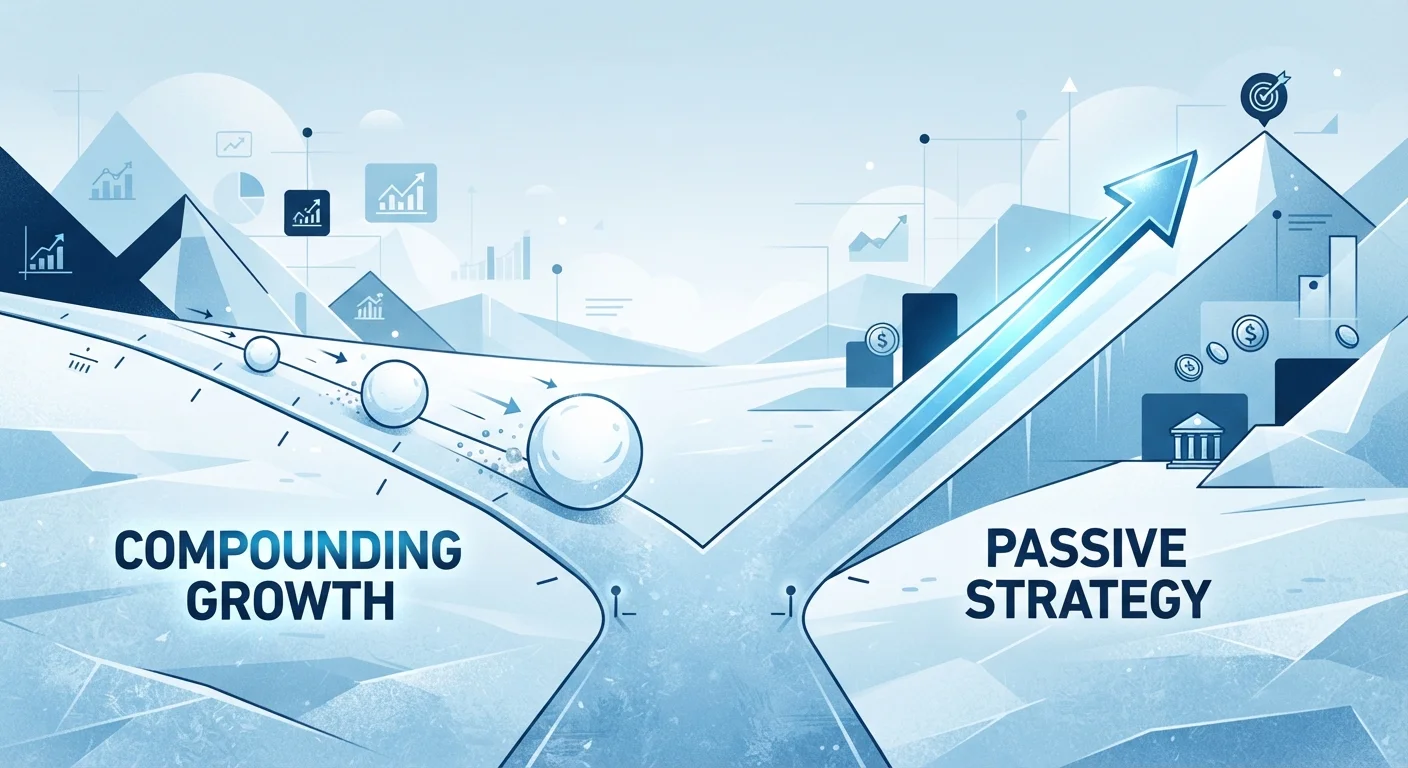
Option A
Debt Avalanche
The mathematically optimal approach to eliminating debt.
Best for: People who are motivated by long-term savings and can stay committed without needing frequent wins.
Option B
Debt Snowball
The psychologically rewarding path to debt freedom.
Best for: People who need early momentum and visible progress to stay on track with their repayment plan.
How Each Method Actually Works
Both strategies share the same mechanical foundation: you make minimum payments on every debt each month, then direct any extra money toward one target debt at a time. The difference is which debt gets that extra attention.
Debt Avalanche: You rank your debts from highest interest rate to lowest. The balance with the steepest rate gets every extra dollar you can spare. Once it's gone, you roll that freed-up payment into attacking the next-highest rate. The cycle continues until everything is paid off. Because you're reducing high-rate balances faster, less interest accrues overall.
Debt Snowball: You rank debts from smallest balance to largest, regardless of interest rate. The smallest balance gets your extra payments first. When it's wiped out, you roll that payment amount into the next smallest - and so on. The momentum builds like a snowball picking up mass downhill.
For a broader look at the types of debt these strategies apply to, see The Full Picture of American Debt.
| Criterion | Debt Avalanche | Debt Snowball |
|---|---|---|
| Payoff order | Highest interest rate first | Smallest balance first |
| Total interest paid | Lower (mathematically optimal) | Typically higher |
| Time to first paid-off debt | Potentially longer | Faster early wins |
| Psychological motivation | Relies on long-term discipline | Frequent wins sustain momentum |
| Best rate environment | Wide spread between rates | Rates clustered close together |
| Complexity | Straightforward once ranked | Straightforward once ranked |
The Math and the Psychology
On a spreadsheet, the avalanche wins almost every time. If you carry a $5,000 credit card balance at 24% APR alongside a $1,200 medical bill at 0%, attacking the medical bill first means that credit card is compounding interest for longer than necessary. Depending on the balances and rates involved, the difference in total interest paid between the two methods can range from modest to substantial.
But personal finance isn't purely a math problem. Behavioral research - including work published in the Journal of Marketing Research - has found that some borrowers make more consistent progress when they see accounts closing out, even if those accounts carry lower rates. Motivation is a real variable.
~$6,500
Average American credit card balance
According to Federal Reserve data, average revolving credit card balances per borrower have hovered around this range in recent years.
20%+
Typical credit card APR range
The Federal Reserve tracks average credit card interest rates, which have remained elevated in recent years, making payoff order a meaningful financial decision.
4 in 10
Americans carrying credit card debt month to month
Surveys by the American Bankers Association have consistently found a significant share of cardholders carry a revolving balance rather than paying in full.
The honest answer is that the strategy you actually follow through on is better than the theoretically superior one you abandon after three months. That's not a reason to dismiss the math - it's a reason to be honest with yourself about your own track record.
Factors That Should Influence Your Choice
A few practical circumstances can tip the decision one way or the other:
- Interest rate spread: If your rates are clustered close together, the financial difference between methods shrinks. Motivation becomes the deciding factor.
- Number of accounts: Carrying six or seven separate debts? The snowball can simplify your monthly picture quickly, which has real practical value.
- Debt size distribution: If your largest balance also carries the highest rate, the avalanche delivers both financial and psychological benefit.
- Income stability: If your monthly cash flow is unpredictable, building momentum with small wins (snowball) may feel more manageable than targeting a large, slow-moving balance.
It's also worth knowing that neither strategy operates in isolation. If consolidation is something you're considering, understand what debt consolidation actually does to your finances before deciding whether it replaces or supplements an avalanche or snowball plan. Similarly, tools like balance transfer cards have their own interest structures - comparing credit cards and personal loans for debt payoff can clarify whether either option makes sense alongside your chosen method.
You Can Switch Methods Mid-Journey
Starting with the snowball to build momentum and then switching to the avalanche once you're in a rhythm is a legitimate approach. There's no rule requiring you to commit to one method for the entire duration of your payoff plan. What matters is that you keep making consistent extra payments - the strategic label matters less than the habit itself.
Whichever method you choose, the habits you build around it matter as much as the strategy itself. Keeping debt manageable over time comes down to consistent behaviors - timing payments well, tracking balances, and not letting new debt undo the progress you've made.
This article is for general informational purposes only and does not constitute personalized financial or legal advice. Consult a qualified financial professional regarding your specific situation.
The content provided on our blog site traverses numerous categories, offering readers valuable and practical information. Readers can use the editorial team’s research and data to gain more insights into their topics of interest. However, they are requested not to treat the articles as conclusive. The website team cannot be held responsible for differences in data or inaccuracies found across other platforms. Please also note that the site might also miss out on various schemes and offers available that the readers may find more beneficial than the ones we cover.