

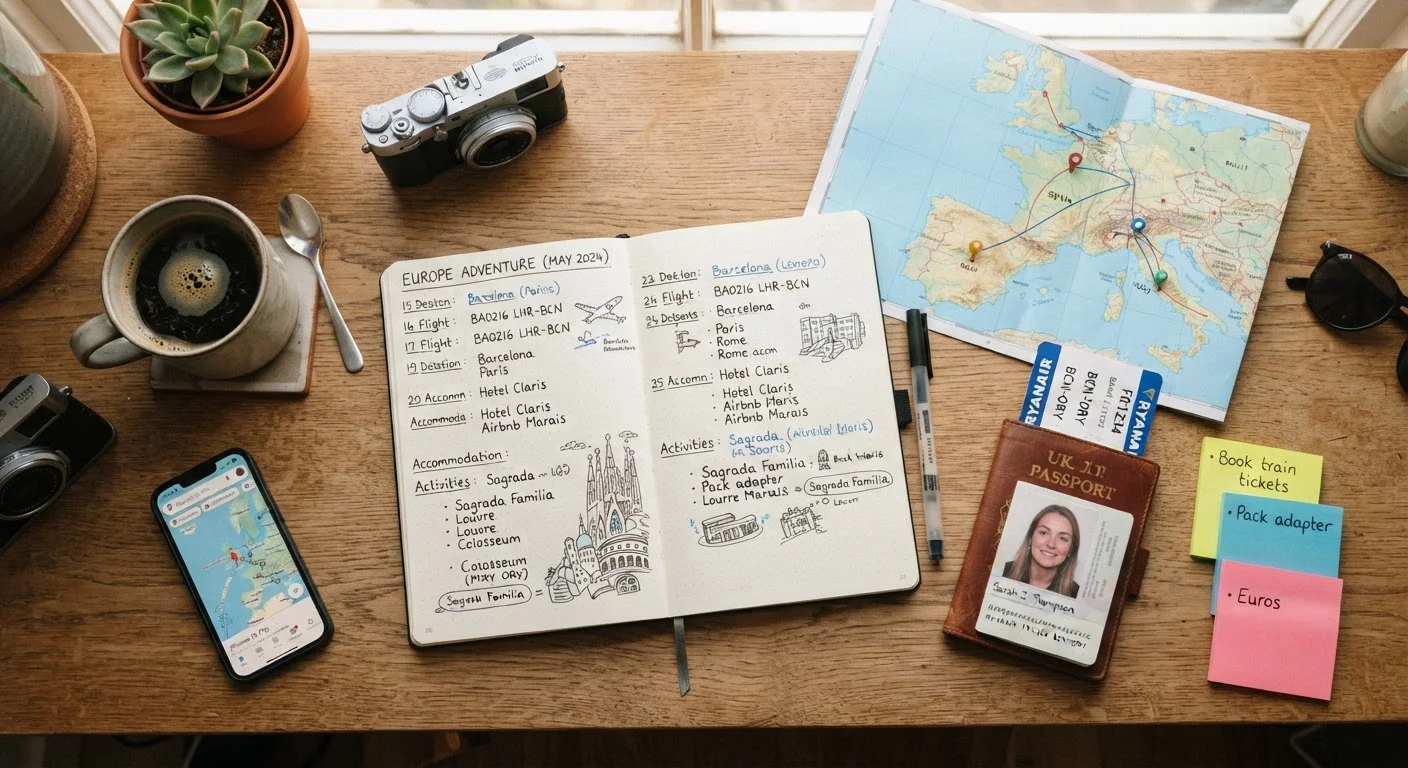
Phase 1 - Research and Scope-Setting
Every trip starts with two foundational questions: where are you going and what can you realistically spend? These aren't sequential-they inform each other. A destination wishlist is only useful once it's filtered through a budget lens.
During this phase, the goal is to gather enough information to make sound decisions, not to finalize anything. Research the destination's general character, travel seasons, entry requirements, and rough cost ranges. For guidance on choosing destinations and understanding logistics, see the Destinations & Logistics hub.
Crucially, check visa and entry requirements through official government sources-not travel blogs. Rules change, and the consequences of getting this wrong can derail an entire trip. For a full breakdown of common planning missteps in this phase, see what causes trips to go sideways.
Set Your Budget Before You Fall in Love With a Destination
It's easy to research a destination and get excited before you've run the numbers. Try to establish a realistic total budget range first, then evaluate whether your preferred destination fits within it. This prevents the frustrating situation of having planned something in detail that isn't financially feasible.
Phase 2 - Booking and Budget Confirmation
Once the destination and rough budget are set, booking follows a logical order: flights first, then accommodations, then any high-demand activities or experiences that require advance reservations.
Before confirming any booking, revisit your budget. Locking in a flight before accounting for accommodation costs is one of the most common ways travelers end up over-budget. Build a simple cost tracker-a spreadsheet works fine-and update it as each booking is confirmed.
3-6 months
Recommended lead time for international trips
Travel industry guidance generally suggests booking international flights and accommodations three to six months in advance for better availability and flexibility.
10-15%
Contingency buffer recommended for travel budgets
Financial planning resources commonly recommend reserving 10-15% of your total travel budget for unexpected costs such as delays, medical needs, or itinerary changes.
For travelers who want to go deeper on organizing the booking process, tools experienced travelers use to stay organized covers practical methods that reduce friction across this phase.
Phase 3 - Documentation and Day-of Logistics
The week before departure is for consolidation, not new decisions. By this point, major bookings should be confirmed. The focus shifts to making sure everything is accessible and nothing requires scrambling at the airport.
Key tasks in this phase include: printing or downloading offline copies of all booking confirmations, double-checking passport validity (many countries require six months beyond your travel dates), confirming accommodation check-in windows, and preparing a single itinerary document that every traveler in your group can access without Wi-Fi.
Build in buffer time on arrival day especially. A tight connection or an unfamiliar transit system on day one sets a stressful tone. The comprehensive trip planning guide covers contingency planning in detail for travelers who want a complete end-to-end framework.
Frequently Asked Questions
It depends on the destination and time of year. International trips or travel during peak seasons generally benefit from three to six months of lead time. Domestic or off-peak trips can often come together in four to six weeks. The key variables are flight availability, accommodation demand, and any visa processing times.
Verifying entry requirements is the step travelers most often skip or leave too late. Visa rules, passport validity requirements, and health documentation can vary significantly by destination and nationality. Always check with the relevant embassy or official government travel portal well before your departure date.
Not necessarily. High-demand experiences-popular tours, timed entry museums, restaurant reservations-should be secured early. Day-to-day flexibility is generally fine for casual sightseeing. A rough activity framework with a few confirmed anchors strikes a good balance for most trips.
Start by setting a realistic total budget before making any bookings, then allocate across the major categories: transport, accommodation, food, activities, and a contingency buffer. The <a href="/money-matters/budgeting-basics">Budgeting Basics hub</a> covers foundational strategies for tracking and managing travel spending.
At minimum: travel documents (passport, visa if applicable, booking confirmations), offline copies of your itinerary, local currency or a card that works abroad, and your accommodation's address in the local language. Charge all devices the night before and confirm any check-in times or transfer details.
The content provided on our blog site traverses numerous categories, offering readers valuable and practical information. Readers can use the editorial team’s research and data to gain more insights into their topics of interest. However, they are requested not to treat the articles as conclusive. The website team cannot be held responsible for differences in data or inaccuracies found across other platforms. Please also note that the site might also miss out on various schemes and offers available that the readers may find more beneficial than the ones we cover.