

Why Pet Obesity Is a Serious Health Concern
An estimated 50-60% of dogs and cats in the United States are overweight or obese, according to data regularly cited by veterinary nutrition organizations. Despite how common it is, excess body weight in pets is frequently underestimated by owners-partly because a heavier pet can still appear energetic and content, and partly because gradual weight gain is easy to miss year over year.
The health consequences, however, are well-documented and significant. Carrying excess fat tissue doesn't just strain a pet's joints-it actively contributes to chronic, low-grade inflammation throughout the body. This systemic inflammation is linked to accelerated progression of arthritis, increased insulin resistance, and greater burden on the cardiovascular and respiratory systems. Studies in veterinary medicine have found that obese dogs may live up to two years less than their healthy-weight counterparts.
Understanding why this happens-and what drives weight gain in the first place-is the first step toward protecting your pet's long-term health. For a deeper look at how common feeding mistakes contribute to gradual weight gain, it helps to examine daily habits closely.
~59%
U.S. dogs classified overweight or obese
According to surveys conducted by the Association for Pet Obesity Prevention, roughly 59% of dogs in the U.S. were assessed as overweight or obese in recent years.
Up to 2 years
Potential reduction in lifespan for obese dogs
Veterinary longevity research has suggested that dogs maintained at a healthy weight may live up to two years longer than overweight counterparts.
How to Tell If Your Pet Is Overweight
Scale weight alone is a poor indicator of a pet's ideal body condition because healthy weights vary so widely by breed, sex, and frame size. Veterinarians use a standardized tool called a Body Condition Score (BCS)-typically a 9-point scale-to assess whether a pet is underweight, ideal, or carrying excess fat. A score of 4-5 out of 9 is generally considered healthy.
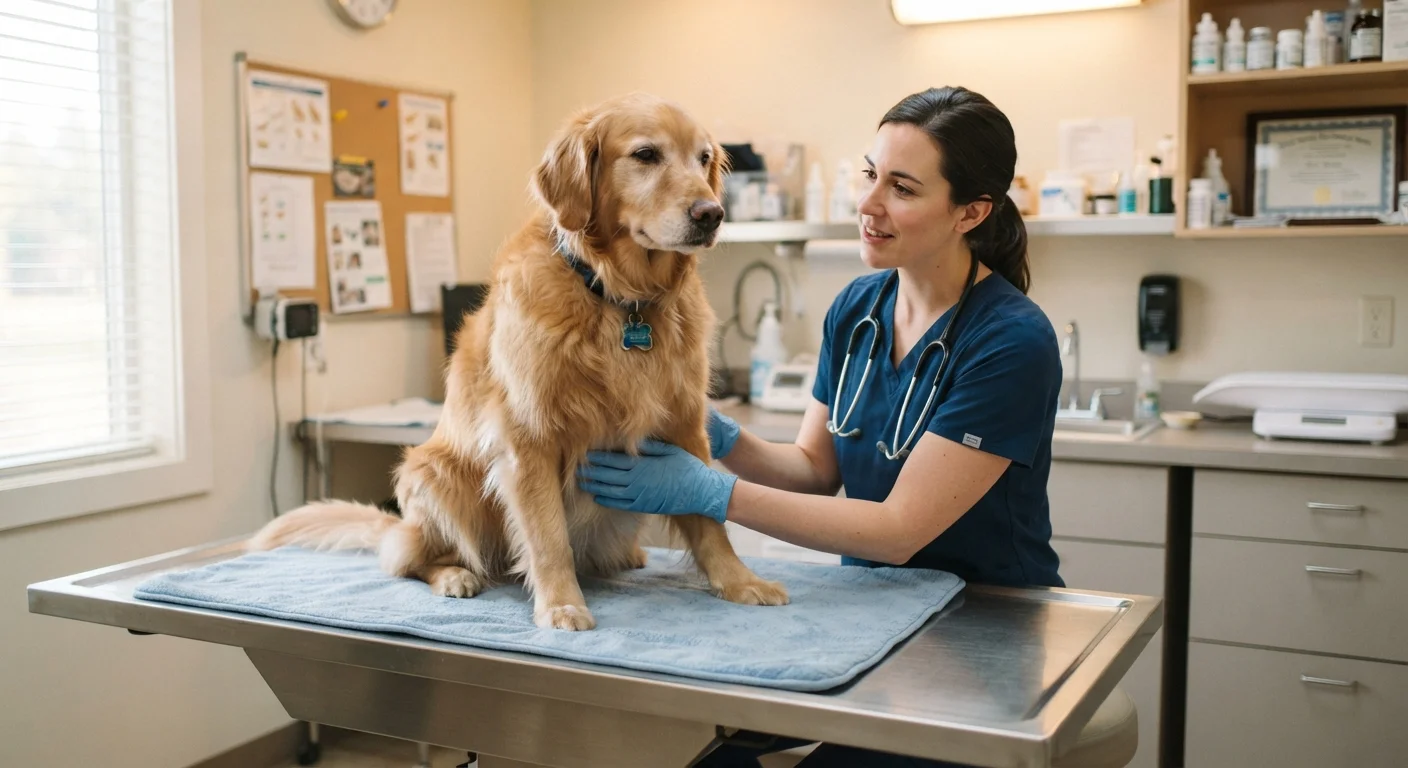
At home, a simple hands-on check can be informative: you should be able to feel your pet's ribs with light pressure but not see them prominently. If you have to press firmly to locate the ribs, or if your pet has no visible waist when viewed from above, those are meaningful signs worth discussing with your vet.
Use the Rib Test at Home
Run your hands along your pet's ribcage with light pressure. In a healthy-weight pet, ribs should be easy to feel but not visibly protruding. If you need firm pressure to detect them beneath a thick fat layer, that's a signal worth raising with your vet. This quick check takes under 30 seconds and can be done during any cuddle session.
Regular weigh-ins at your veterinary clinic-ideally every 6-12 months for adult pets-allow for early intervention before weight gain becomes entrenched. Many clinics offer free weight checks between appointments.
Best Practices for Managing Your Pet's Weight
Effective weight management in pets is not about dramatic restriction-it's about consistent, evidence-informed habits guided by a veterinary professional. The following practices reflect current veterinary consensus on safe, sustainable approaches.
Have your vet establish your pet's target weight before making dietary changes.
Without a clear target, calorie restriction can be too aggressive or too mild. A vet-determined goal accounts for breed norms, age, and current health status-helping ensure the plan is both safe and effective.
Measure every meal with a kitchen scale or calibrated measuring cup rather than estimating portions.
Studies in veterinary nutrition consistently show that owners who estimate portions overfeed by a meaningful margin. Even a 10% daily caloric surplus adds up to significant weight gain over months.
Replace high-calorie treats with lower-calorie alternatives and cap treats at no more than 10% of daily caloric intake.
Treats are one of the most overlooked sources of excess calories in pets. Commercial pet treats can be calorie-dense, and owners rarely account for them when calculating daily food totals.
Increase physical activity gradually and in line with your pet's current fitness level and any health limitations.
For an overweight or older pet, sudden increases in exercise can cause joint injury or respiratory stress. A gradual ramp-up allows the body to adapt safely while still supporting caloric expenditure.
Schedule follow-up weight checks every 4-6 weeks during an active weight-loss program.
Regular monitoring allows your vet to confirm that weight loss is occurring at a safe, steady rate-typically 1-2% of body weight per week for dogs and less for cats. Losing weight too quickly in cats carries its own serious health risks.
For guidance on adjusting feeding amounts across different life stages, see our article on feeding your pet at every life stage. And if you're looking for practical portion strategies, portion and feeding habits that support a healthy body weight offers a useful companion read.
Quick Actions You Can Take Now
You don't need to overhaul everything at once. A few targeted changes can meaningfully reduce weight-related risk while you work with your vet on a longer-term plan.
Some well-meaning owner habits-like offering table scraps or skipping annual vet visits-can quietly work against your pet's health. Our guide to well-intentioned habits that can quietly harm your pet is worth a read if you want to audit your current routines.
This article is for general informational purposes only and does not constitute veterinary medical advice. Always consult a licensed veterinarian regarding your pet's individual health needs, weight status, and any dietary or exercise changes.
The content provided on our blog site traverses numerous categories, offering readers valuable and practical information. Readers can use the editorial team’s research and data to gain more insights into their topics of interest. However, they are requested not to treat the articles as conclusive. The website team cannot be held responsible for differences in data or inaccuracies found across other platforms. Please also note that the site might also miss out on various schemes and offers available that the readers may find more beneficial than the ones we cover.