

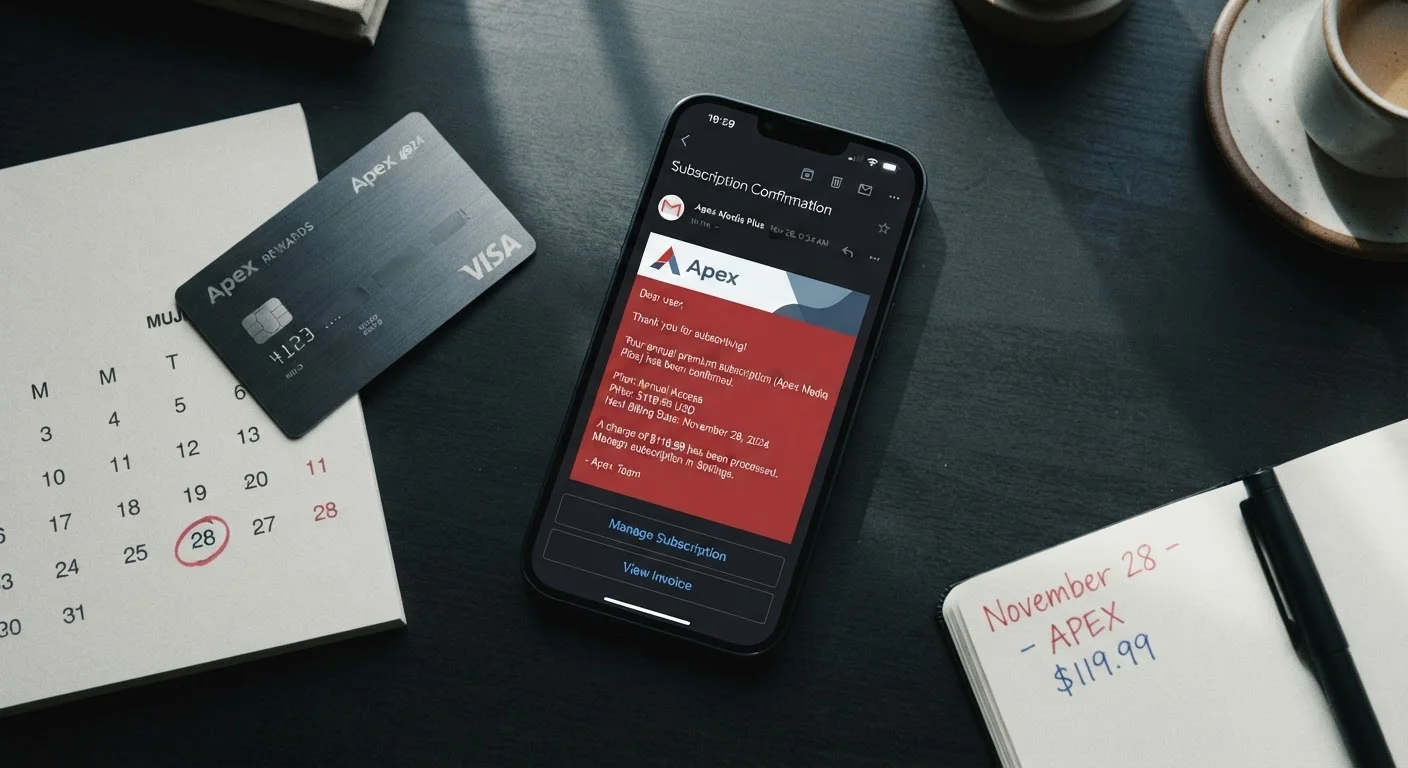
Why Free Trials Are Built to Convert
The phrase 'free trial' implies low risk. In practice, the business model behind most free trials depends on converting a percentage of trial users into paying subscribers - ideally without them noticing the transition. The trial is the acquisition mechanism; the charge is the goal.
Sign-up flows are designed by teams whose job is to maximize that conversion rate. That means reducing visible friction before you commit, while making the exit path less obvious. Understanding this dynamic is the first step toward navigating it without unwanted charges.
These patterns are part of a broader landscape of pricing tactics designed to obscure true costs. For a wider look at how charges get buried, see how 'affordable' purchases accumulate hidden costs.
Negative Option Billing Is Widespread
A practice called 'negative option billing' - where inaction equals consent to charge - is legal in the U.S. under most circumstances as long as it's disclosed. The disclosure is often buried in terms of service. If you don't actively cancel, you're billed. The Federal Trade Commission has taken action against companies that obscure these terms, but consumer vigilance remains your first line of defense.
The Most Common Enrollment Mistakes - and How to Avoid Them
Most unexpected charges don't happen because of fine print buried in a 50-page document. They happen because of predictable, repeatable errors that are easy to correct once you know what to look for.
Entering payment details without reading the billing terms first.
Why it happens: Sign-up flows are designed to minimize friction. The billing disclosure is typically displayed in small print below the action button, where most people never look.
Assuming a cancellation email is all it takes to cancel.
Why it happens: Consumers reasonably expect that contacting a company is enough to stop billing. Many services accept cancellation only through specific in-app steps or a phone call - not via email.
Missing pre-checked add-on boxes during sign-up.
Why it happens: Additional tiers or products are often included by default in enrollment flows. Users focused on completing sign-up quickly overlook these selections.
Forgetting to cancel before the trial window closes.
Why it happens: A two-week or 30-day trial feels like plenty of time when you sign up, but the deadline is easy to lose track of when life gets busy.
Providing a primary debit card instead of a dedicated payment method.
Why it happens: Debit is the most familiar payment method for many people, and using it feels intuitive during checkout.
Auto-Billing Starts Without a Reminder
Most subscription services are not legally required to notify you before a free trial converts to a paid plan. Once you've entered payment details, billing can begin automatically the moment the trial period ends. Always mark your calendar for one or two days before the trial expires - not the day it ends.
For a broader view of how pricing design misleads shoppers at the point of purchase, deceptive pricing tactics retailers use covers the same psychology applied across retail contexts.
Catching Charges You Already Have
Even careful consumers accumulate subscriptions over time. A service that seemed useful at $4.99 a month three years ago may still be billing you today. The habit of reviewing your statements is more reliable than any sign-up precaution.
82%
Consumers who forget at least one active trial
A consumer survey by C+R Research found the vast majority of subscribers underestimate how many recurring charges they carry.
$219/yr
Average untracked subscription spending per household
C+R Research estimated that consumers spend significantly more on subscriptions than they self-report when surveyed about their monthly bills.
Go through your bank and credit card statements line by line at least once a quarter. Look for recurring charges - especially small ones between $3 and $20 - that you don't immediately recognize. These are the subscriptions most likely to have slipped through unnoticed. This kind of audit is also the core of a basic budget practice; the Budgeting Basics hub covers how to build that habit systematically.
If you find a charge you didn't authorize and can't account for, contact your card issuer to dispute it. For recurring patterns across multiple services, subscription creep and how to stop it walks through how to audit and reclaim that spending.
This article is for general informational purposes only and does not constitute financial or legal advice. Consult a qualified professional for guidance specific to your situation.
The content provided on our blog site traverses numerous categories, offering readers valuable and practical information. Readers can use the editorial team’s research and data to gain more insights into their topics of interest. However, they are requested not to treat the articles as conclusive. The website team cannot be held responsible for differences in data or inaccuracies found across other platforms. Please also note that the site might also miss out on various schemes and offers available that the readers may find more beneficial than the ones we cover.