

Summary
18 items · 1.5-3 hours across one or two weekends
Why Fall Preparation Matters More Than Spring Cleanup
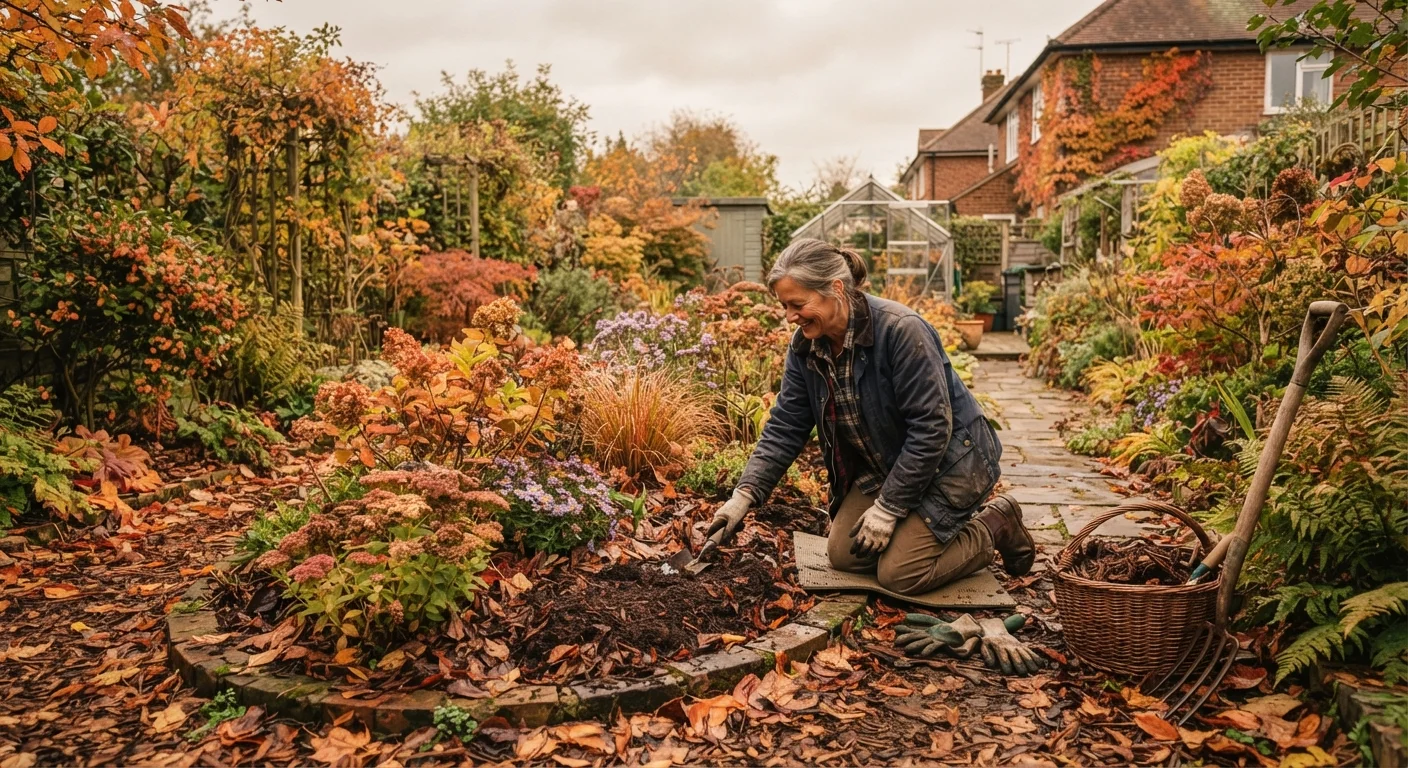
Most gardeners think of spring as the season for fresh starts - but what you do in fall determines how strong that spring comeback will be. Closing out the growing season deliberately means fewer pests and disease spores overwintering in your beds, better-structured soil ready to absorb spring nutrients, and perennials that emerge more vigorously because their root systems were protected.
Fall is also when soil amendments do their most important behind-the-scenes work. Compost, lime, and other organic matter have months to break down and integrate before the first seeds or transplants arrive. If you've ever been curious about starting a vegetable garden from scratch, the groundwork you lay this fall will make that project far more manageable.
Use this checklist to work through your garden systematically - clearing, amending, protecting, and storing - before frost makes the decisions for you.
Know Your First Frost Date
Every task on this checklist is timed relative to your local first frost date - and that date varies significantly across the U.S., from late September in northern states to December in the South. Contact your local cooperative extension office or check a reliable gardening resource to find the average first frost date for your zip code. Planning around that date is the single most important variable in fall garden prep.
What You'll Need
Before you start working through the checklist, gather your supplies so you're not making multiple trips to the garage or shed. The tasks below require tools for cutting, digging, and transporting, plus materials like compost, mulch, and bulb storage containers.
Garden fork or spade
Turning in compost amendments and loosening soil around perennials before mulching.
Pruning shears
Cutting back spent perennials, shrubs, and any diseased foliage cleanly without tearing.
Soil test kit or extension service mailer
Testing pH and nutrient levels so you can amend soil accurately over winter.
Bulb planting tool or trowel
Digging holes at consistent, correct depths for spring-blooming bulbs.
Wheelbarrow or garden cart
Moving compost, mulch, and cleared plant debris efficiently across the yard.
Mesh storage bags or cardboard boxes
Storing tender bulbs and tubers with good airflow through winter.
If you're unsure which perennials in your yard need cutting back versus leaving alone, a quick read on perennials vs. annuals will help you make those calls confidently.
The Fall Garden Prep Checklist
Work through these tasks roughly in order - clearing first, then soil work, then planting and protecting, then equipment. Most homeowners can complete everything in one to two weekend mornings, depending on the size of their garden.
Clearing & Cleanup
Soil Care & Amendments
Planting & Protecting
Tools, Equipment & Containers
Don't Mulch Too Early
Applying mulch before the first hard frost can trap warmth in the soil and encourage plants to keep growing when they should be going dormant. Wait until after your first killing frost - when the top inch or two of soil has frozen - before laying down your winter mulch layer. Mulching too early can also attract rodents looking for warm nesting spots close to plant crowns.
Diseased Plant Material Doesn't Belong in Compost
Home compost piles rarely reach the sustained temperatures needed to kill fungal spores, bacteria, or pest eggs. Placing infected plant matter in your compost risks reintroducing the same problems next spring. Bag diseased material and dispose of it with yard waste or through your municipality's green-waste program instead.
Tying It All Together: Lawn, Tools, and Next Year
Fall garden prep doesn't stop at the flower beds. Your lawn needs attention before dormancy too - fall is the window for overseeding thin patches, applying a slow-release fertilizer, and ensuring good drainage before the ground freezes. Our season-by-season lawn care calendar breaks down exactly what to do and when, month by month.
One often-overlooked fall task is reviewing how you water. If you've been running irrigation later in the season, check that wet foliage habits aren't setting up disease problems - watering habits that quietly damage plants is worth reviewing before you shut the system down for winter.
Done well, fall prep is an investment in compounding returns. Each year you close out the season properly, your soil improves, your perennials establish more deeply, and the workload the following spring gets lighter. That's the real payoff of taking a few hours now.
The content provided on our blog site traverses numerous categories, offering readers valuable and practical information. Readers can use the editorial team’s research and data to gain more insights into their topics of interest. However, they are requested not to treat the articles as conclusive. The website team cannot be held responsible for differences in data or inaccuracies found across other platforms. Please also note that the site might also miss out on various schemes and offers available that the readers may find more beneficial than the ones we cover.