

Our Verdict
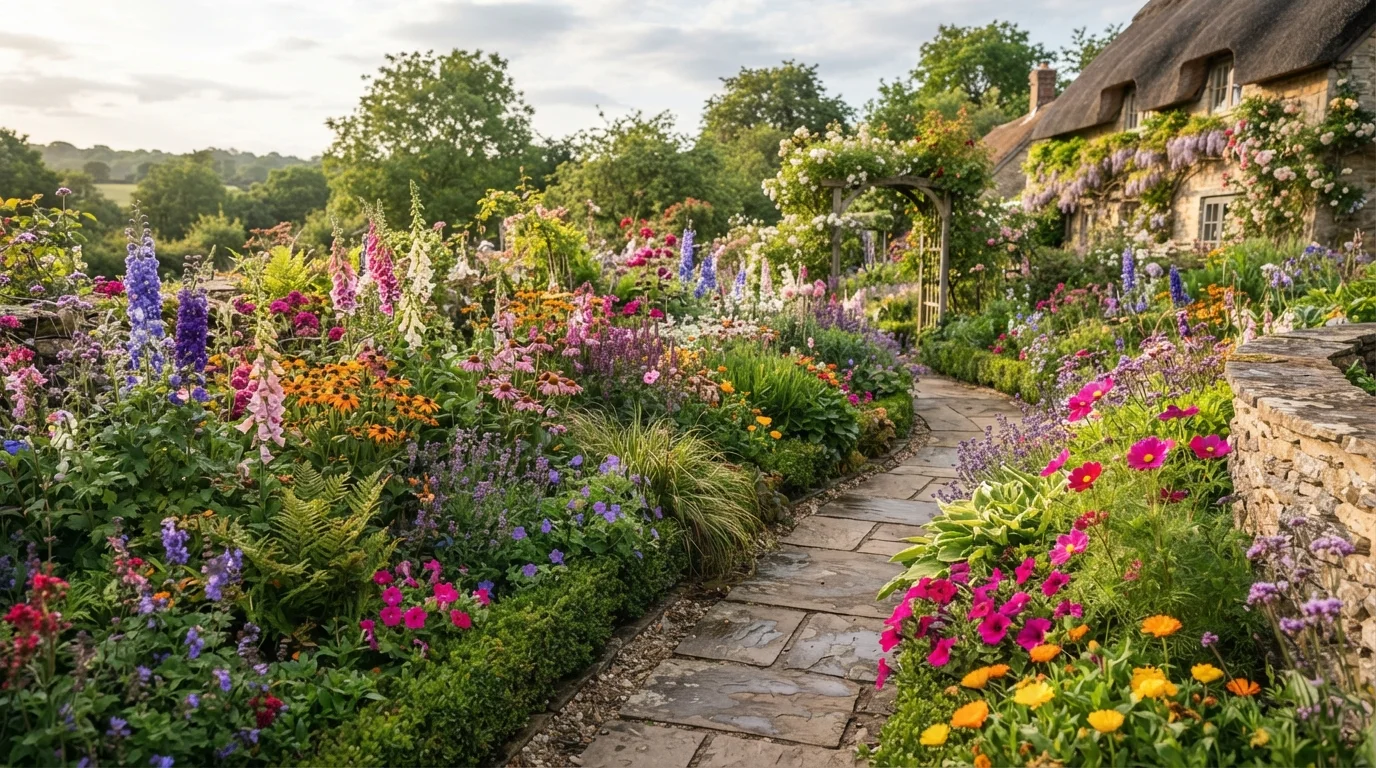
Neither perennials nor annuals are universally superior - each fills a distinct role in a healthy, attractive garden. Perennials build the backbone of a planting scheme over time, while annuals deliver reliable seasonal color and flexibility. The most rewarding gardens treat these two categories as partners rather than competitors.
| Best for | Recommended |
|---|---|
| Gardeners seeking long-term value and low replanting effort | Perennials |
| Those who want bold, continuous color from spring through frost | Annuals |
| Gardeners building a layered, four-season landscape | A planned mix of both |
The Core Difference: Life Cycle Basics
The simplest way to understand the perennial vs. annual distinction is through life cycle. Perennials live for more than two years, dying back to the ground in winter (in most climates) and re-emerging from the same root system each spring. Annuals germinate, flower, set seed, and die within a single growing season - they are not coming back next year, no matter how well you care for them.
There is also a middle category worth knowing: biennials, which complete their cycle over two years, typically producing foliage the first year and flowering the second. Foxglove and hollyhock are common examples. They behave more like annuals from a planning standpoint because you'll need to replant to keep them in your beds.
Before selecting any plant, getting comfortable with its tag is essential. Our guide to reading plant tags explains how to decode hardiness zones, sun symbols, and spacing information - details that tell you whether a plant is a true perennial in your specific climate.
Comparing Perennials and Annuals Side by Side
Understanding how these two plant types stack up across practical gardening criteria helps you make intentional choices rather than impulse purchases at the nursery.
| Perennials | Annuals | |
|---|---|---|
| Lifespan | Returns for 3+ years | One growing season only |
| Bloom duration | Typically 2-6 weeks per season | Spring through frost with deadheading |
| Upfront cost | Higher per plant | Lower per plant |
| Long-term cost | Lower - no annual replanting | Higher - purchase every year |
| Maintenance | Moderate; divide every few years | Regular deadheading and watering |
| Design flexibility | Permanent placement; harder to change | Easily changed each season |
| Drought tolerance (established) | Generally higher | Generally lower |
| Best use | Structural borders, naturalized areas | Containers, color gaps, focal points |
One nuance the table can't fully capture: some plants sold as annuals in northern states are actually tender perennials - plants that survive winters only in warmer USDA hardiness zones. Geraniums (Pelargonium), for example, are perennial in zones 9-11 but treated as annuals across most of the country. Knowing your zone clarifies what you can reasonably expect to overwinter.
When Perennials Make the Most Sense
Perennials are the structural backbone of a thoughtful garden. They establish deeper root systems over time, which generally makes them more drought-tolerant once mature and less dependent on frequent fertilization. The upfront cost per plant is usually higher, but because they return annually, the cost-per-season value improves significantly after the first two or three years.
They shine in mixed borders where you want reliable form and texture across seasons, even when not in flower. Plants like ornamental grasses, coneflowers (Echinacea), black-eyed Susans, and hostas provide structure that annuals simply can't replicate. If you're interested in supporting local ecosystems, many native perennials serve pollinators particularly well - a topic covered in depth in our article on native plants and their ecological trade-offs.
Plan for Bloom Succession
When selecting perennials, note each plant's bloom window and choose varieties that flower at different times. A garden with early, mid, and late-season perennials will look active from spring through fall without relying entirely on annuals to fill quiet periods. Mapping this out on paper before you plant saves considerable frustration later.
One honest limitation: most perennials bloom for a relatively short window - often two to four weeks. A bed planted exclusively with perennials can look sparse or dull outside of its peak period unless you plan carefully for staggered bloom times.
When Annuals Earn Their Place
Annuals are unmatched for sustained, season-long color. Because their sole biological mission is to produce seed before dying, they flower prolifically - and deadheading (removing spent blooms) extends that performance further. Petunias, zinnias, marigolds, and impatiens can bloom from late spring through the first frost, filling gaps that perennials leave between bloom cycles.
They also give gardeners flexibility. If a color scheme isn't working, you can try something entirely different the following season. This makes annuals particularly valuable in containers and high-visibility spots, such as entryways or patio planters. When planning outdoor spaces more broadly, annuals in containers can define zones and add color without permanent commitment - something to consider when designing a backyard you'll actually use, as explored in our outdoor living spaces planning guide.
The recurring cost of annuals is their primary drawback. Budget-conscious gardeners can offset this by starting annuals from seed indoors, which significantly reduces per-plant expense.
Watch Out for Invasive Self-Seeders
Some annuals self-seed so aggressively that they behave like weeds in subsequent seasons - cleome and purple loosestrife are well-known examples. Before planting any prolific self-seeder, check whether it is considered invasive in your region. Your local cooperative extension office is a reliable source for region-specific invasive plant lists.
Building a Garden That Uses Both
The most practical approach for most homeowners is a layered planting strategy: perennials provide the framework, and annuals fill the gaps and extend seasonal interest. A common method is to plant perennials in roughly two-thirds of a border, leaving one-third for annual rotation.
Think about bloom succession when placing perennials. Pair early-spring bloomers like bleeding heart with mid-summer coneflowers, then late-summer rudbeckia - annuals can bridge the quiet stretches between them. This kind of planning rewards you with a garden that looks intentional rather than accidental throughout the growing season.
Soil health underpins both plant types. Incorporating organic matter and using mulch appropriately helps perennials establish faster and annuals perform longer. Our guide to mulch types can help you select the right material for each situation. And if you're also growing food alongside flowers, the principles of companion planting apply to vegetable and flower pairings alike.
The content provided on our blog site traverses numerous categories, offering readers valuable and practical information. Readers can use the editorial team’s research and data to gain more insights into their topics of interest. However, they are requested not to treat the articles as conclusive. The website team cannot be held responsible for differences in data or inaccuracies found across other platforms. Please also note that the site might also miss out on various schemes and offers available that the readers may find more beneficial than the ones we cover.