

Our Verdict
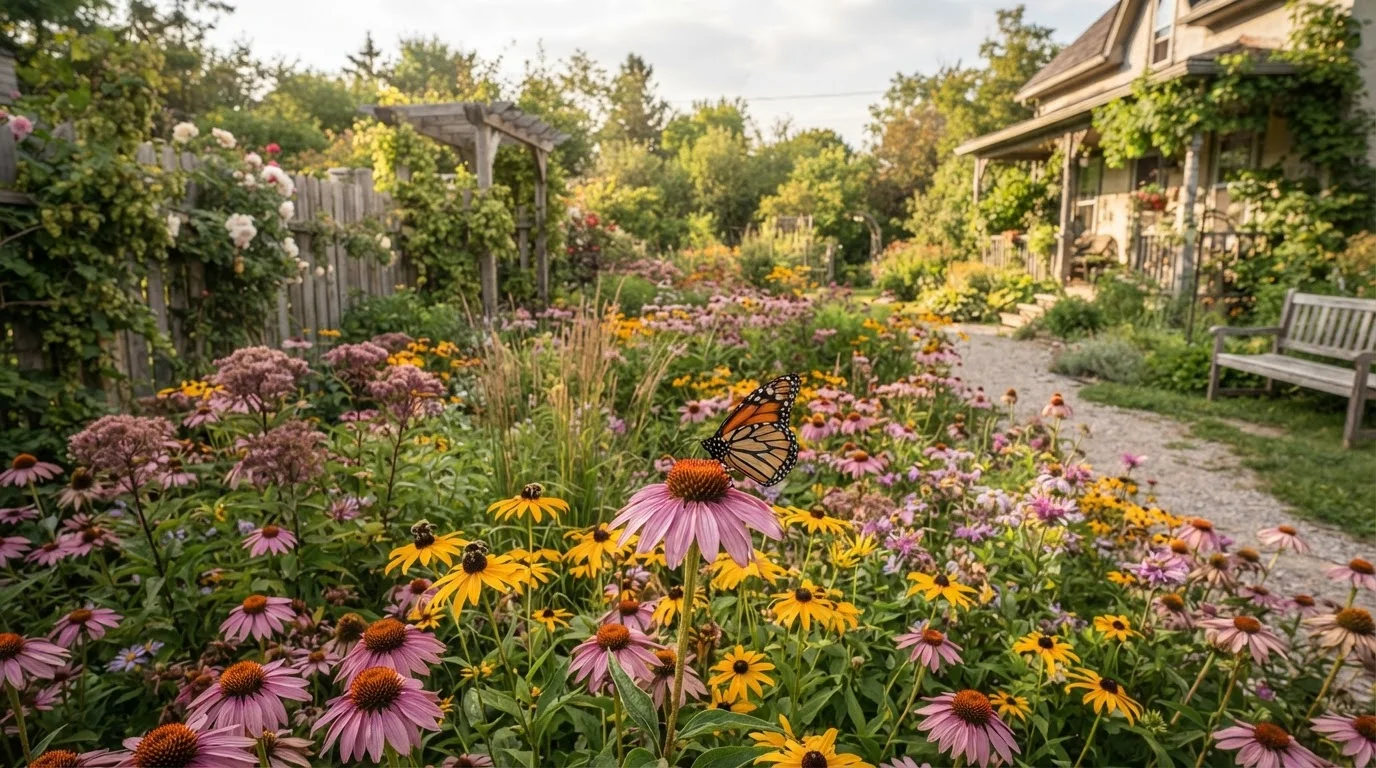
Native plants deliver genuine ecological benefits and long-term low-maintenance rewards, but they demand upfront research, patience during establishment, and a tolerance for a wilder aesthetic that not every gardener or neighborhood welcomes. The trade-offs are real but manageable with realistic expectations.
Ideal for gardeners who want to reduce water use, support local wildlife, and invest in a landscape that becomes more self-sustaining over time.
What 'Native' Actually Means - and Why It Matters
A native plant is one that evolved naturally in a specific region before European settlement - shaped by local soils, rainfall patterns, seasonal temperature swings, and the insects and animals that share its ecosystem. The term is often misused in garden centers, where a plant labeled "native" may be a cultivar bred for showier blooms or unusual foliage, sometimes at the cost of the ecological traits that make true natives valuable.
Regional specificity matters more than most gardeners realize. A plant native to the Carolinas may not be native to the Midwest, even if both locations are within the continental United States. Before buying, it pays to research which species are genuinely native to your ecoregion - your local cooperative extension office or a state native plant society are good places to start.
Check Your Regional Definition of 'Native'
The term 'native' is not regulated in the nursery trade, so it can mean different things depending on who's using it. A plant may be native to North America broadly but non-native to your specific ecoregion. For the most ecologically meaningful choices, look for plants native to your state or, better yet, your local watershed. Your county's cooperative extension service or the Ladybird Johnson Wildflower Center's plant database are useful starting points for regional verification.
The Ecological Case for Going Native
The strongest argument for native plants isn't aesthetic - it's functional. Native plants and local wildlife have co-evolved over thousands of years, creating dependencies that non-native species simply can't replicate. Oak trees, for example, support hundreds of caterpillar species that in turn feed nesting birds; non-native ornamental trees often support almost none.
Supports native pollinators and local wildlife
Native plants provide the specific food sources - nectar, pollen, seeds, and host plant material - that local insects, birds, and other wildlife have evolved to depend on. Non-native plants often cannot fill these roles even when they look similar.
Lower water needs once established
Because they're adapted to regional rainfall patterns, most natives require significantly less supplemental irrigation than non-native ornamentals after their first season or two in the ground.
Reduced need for fertilizers and pesticides
Native plants are adapted to local soil conditions and have co-evolved with regional pests, often tolerating insect pressure that would devastate non-native species without chemical intervention.
Deep root systems improve soil health
Many native grasses and wildflowers develop extensive root networks that reduce erosion, improve water infiltration, and build organic matter in the soil over time.
Long-term cost savings on maintenance
After establishment, native plantings typically need less ongoing input - water, fertilizer, and pest control - which can meaningfully reduce annual garden costs over a multi-year period.
Water conservation is another compelling advantage. Once established, many natives are well-matched to their region's natural rainfall cycles, reducing or eliminating the need for supplemental irrigation during normal weather. This pairs well with smart garden watering habits - natives generally tolerate the feast-and-famine watering patterns that damage more sensitive cultivated plants.
Natives also tend to build healthier soil over time. Deep root systems - some prairie grasses extend roots six feet or more underground - improve drainage, reduce compaction, and sequester carbon.
Honest Trade-Offs: Where Native Plants Fall Short
Despite the genuine benefits, native plants aren't a simple solution. The challenges are real and worth understanding before you commit significant garden space.
Slow establishment frustrates many gardeners
Natives often spend their first season building root systems rather than producing visible growth or blooms, which can look like failure to gardeners expecting fast results.
Sourcing true regional natives is difficult
Many nurseries stock cultivars marketed as natives that lack the ecological traits of true regional species. Finding locally sourced, species-true plants often requires research and specialty suppliers.
Some natives spread aggressively
Not all native plants behave politely in a garden setting. Species like wild bergamot or some goldenrods can spread vigorously and may need active management to stay within intended boundaries.
Aesthetic may conflict with neighborhood norms
Native plantings often have a looser, wilder look that some HOAs or neighbors find at odds with conventional landscaping expectations - which can create social friction or even compliance issues.
Higher upfront plant cost in some markets
Specialty native plants are frequently more expensive per unit than common garden-center stock, and the selection is narrower, limiting design flexibility for gardeners on tight budgets.
Establishment is the most common sticking point. Most natives prioritize root development in their first one to two seasons, which means they may look unremarkable - or even disappointing - while non-native annuals and perennials are putting on a full show. Gardeners expecting instant results often give up too early. If you're weighing long-term plant strategies, the perennials vs. annuals comparison is worth reading alongside any native planting plan.
Sourcing is another genuine obstacle. Many garden centers carry a limited and inconsistent selection of true regional natives. Specialty native plant nurseries exist in most regions but may require advance ordering or travel. Seed-grown plants from local genotypes are often harder to find than nursery stock of uncertain provenance.
Designing a Native Garden That Works in Practice
Most successful native gardens in residential settings aren't pure native plantings - they're thoughtfully mixed landscapes that prioritize natives where they'll have the most ecological impact while accommodating practical and aesthetic needs elsewhere.
~29%
Decline in North American bird populations since 1970
According to a 2019 study published in Science, North America has lost nearly 3 billion birds since 1970, with habitat loss and reduced insect availability cited as leading causes - both connected to the decline of native plant ecosystems.
96%
Of land birds rely on insects to feed nestlings
Research by entomologist Doug Tallamy found that the vast majority of terrestrial bird species depend on insects - many of which require native host plants - to raise their young successfully.
High-value spots for natives include pollinator borders, rain gardens, woodland understory areas, and any slope prone to erosion. These are places where native root systems and drought tolerance do genuine work. For structured areas near the house - foundation plantings, formal beds - a blend of natives and well-behaved non-invasive plants often makes more practical sense.
Consider how native plants interact with neighboring choices. Companion planting principles can apply to native gardens too - some native species fix nitrogen, suppress weeds, or attract beneficial insects that protect nearby plants.
Your planting setup also matters. Some natives thrive in raised beds; others need the depth and drainage of in-ground soil. The raised beds vs. in-ground planting guide can help you think through which structure suits the natives you're considering.
The content provided on our blog site traverses numerous categories, offering readers valuable and practical information. Readers can use the editorial team’s research and data to gain more insights into their topics of interest. However, they are requested not to treat the articles as conclusive. The website team cannot be held responsible for differences in data or inaccuracies found across other platforms. Please also note that the site might also miss out on various schemes and offers available that the readers may find more beneficial than the ones we cover.